

Remote Sensing: The Invisible Technology Transforming Industries
 By Prince Matthews
4 min read
26 Aug 2025
Remote sensing technology plays a pivotal role in gathering data about the Earth's surface and atmosphere without direct physical contact. This article explores the applications, advancements, benefits, challenges, and future trends of remote sensing.
Applications of Remote Sensing
Environmental Monitoring: Tracking climate change, deforestation, urban growth, and natural disasters through satellite imagery and airborne sensors.
Natural Resource Management: Assessing soil quality, water resources, and mineral deposits for sustainable development and conservation efforts.
Disaster Response and Management: Providing rapid situational awareness and damage assessment during emergencies like floods, wildfires, and earthquakes.
Advancements in Remote Sensing Technology
High-Resolution Imaging: Capturing detailed images from space and airborne platforms with improved spatial resolution for accurate mapping and analysis.
LiDAR Technology: Using laser scanning to measure distances and create precise 3D models of terrain, buildings, and vegetation structures.
Hyperspectral Imaging: Analyzing spectral bands beyond visible light to identify unique signatures of materials, vegetation health, and environmental changes.
Benefits and Impact
Data-driven Decision Making: Empowering policymakers, scientists, and businesses with timely and accurate spatial information for informed decision-making.
Global Coverage: Providing worldwide coverage and real-time data acquisition capabilities through satellite constellations and international partnerships.
Cost Efficiency: Reducing costs associated with field surveys, monitoring infrastructure, and resource management through remote sensing technologies.
Challenges and Considerations
Data Interpretation: Overcoming challenges in processing large volumes of remote sensing data and extracting meaningful insights for diverse applications.
Privacy and Security: Addressing concerns related to data privacy, satellite imagery resolution, and the ethical use of surveillance technologies.
Interdisciplinary Collaboration: Fostering collaboration among scientists, engineers, policymakers, and stakeholders to leverage remote sensing for global challenges.
Future Trends in Remote Sensing
Integration with AI and Machine Learning: Enhancing remote sensing capabilities with AI algorithms for automated image analysis, feature extraction, and anomaly detection.
CubeSats and Small Satellite Constellations: Launching miniaturized satellites for cost-effective remote sensing missions and enhanced spatial and temporal resolution.
Blockchain Technology: Securing remote sensing data integrity, ensuring transparency in data transactions, and enabling decentralized data sharing among stakeholders.
Conclusion
Remote sensing continues to evolve as a critical technology for monitoring Earth's dynamics, managing natural resources, and responding to global challenges. With ongoing advancements and collaborative efforts, remote sensing is poised to drive innovation, sustainability, and resilience across industries and communities worldwide.

The AR Breakthrough That Will Make Blockchain Transactions Simpler Than Ever!
5 min read | 11 Oct 2025
How AI Is Making Blockchain Smarter and Safer – The Inside Scoop!
7 min read | 10 Oct 2025
The Big Tech Twist: How VR Is Set to Disrupt Blockchain Like Never Before!
5 min read | 09 Oct 2025
Unlocking the Power of AR: How Augmented Reality Is Set to Revolutionize Blockchain!
5 min read | 08 Oct 2025More Articles

The Art of Storytelling: Immersive Narratives in Augmented Reality
4 min read | 23 Sep 2025

Holo-Homes: How AR and VR are Redefining Interior Design
4 min read | 22 Sep 2025

Beyond the Screen: Exploring AR and VR in Everyday Life
5 min read | 21 Sep 2025

AR for Education: Making Learning Interactive and Fun
6 min read | 20 Sep 2025
More Articles

The Role of AI in Enhancing Accessibility for People with Disabilities
4 min read | 24 Sep 2025

AI in Human Resources: Streamlining Recruitment and Employee Management
7 min read | 23 Sep 2025
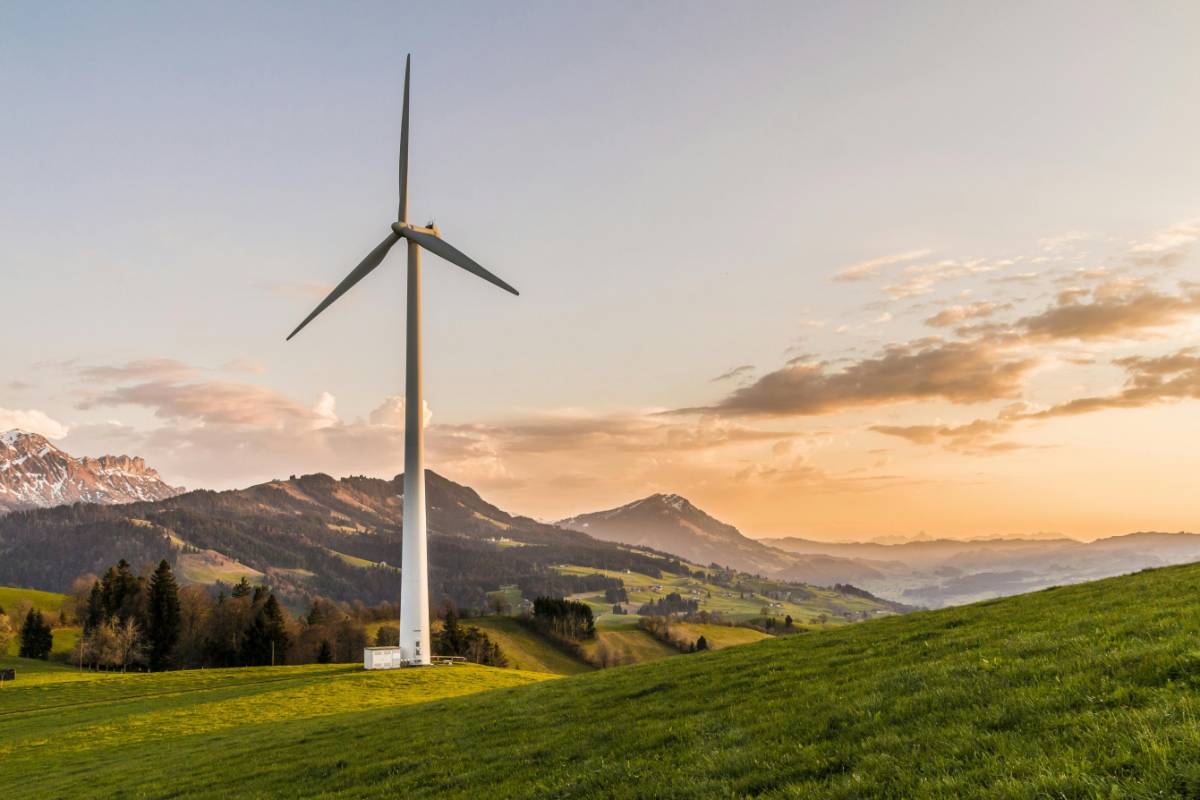
AI for Environmental Monitoring: Tracking and Responding to Ecological Changes
7 min read | 22 Sep 2025

The Challenges of AI Governance and Regulation
4 min read | 21 Sep 2025