
Neural Networks in Game AI: Creating Smarter, More Adaptive Game Characters
 By Lewis Adam
4 min read
16 Aug 2025
In recent years, neural networks have significantly impacted various fields, from healthcare to finance. The gaming industry is no exception. By leveraging neural networks, developers can create game AI that is smarter, more adaptive, and capable of providing a more engaging experience for players. This article explores how neural networks are revolutionizing game AI and what this means for the future of gaming.
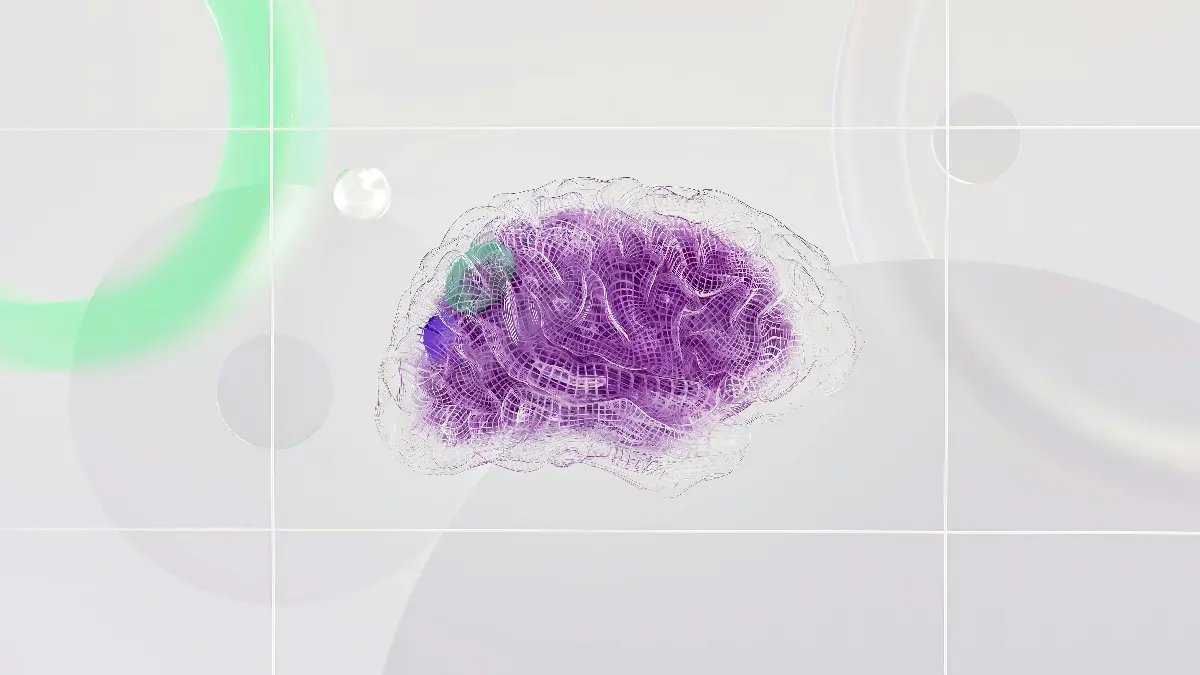
Understanding Neural Networks: Neural networks are a subset of artificial intelligence that mimic the human brain's structure and functionality. Comprising layers of interconnected nodes (neurons), these networks can process and analyze vast amounts of data, learning from it to make decisions or predictions. In gaming, neural networks are used to enhance AI capabilities, allowing game characters to learn and adapt to player behavior.
Smarter NPCs: One of the most noticeable impacts of neural networks in gaming is the development of smarter non-player characters (NPCs). Traditional game AI relies on pre-programmed behaviors and scripts, which can make NPCs predictable and less challenging. Neural networks enable NPCs to learn from players' actions and adapt their strategies accordingly. This results in more dynamic and unpredictable gameplay, keeping players engaged and challenged.
Adaptive Gameplay: Neural networks facilitate adaptive gameplay by analyzing player behavior and adjusting the game environment or difficulty in real-time. For instance, if a player consistently struggles with a particular level or enemy, the AI can modify the difficulty to provide a more balanced experience. Conversely, if a player is performing exceptionally well, the AI can introduce new challenges to maintain engagement. This adaptability ensures that games remain enjoyable for players of all skill levels.
Enhanced Pathfinding: Pathfinding is a critical aspect of game AI, determining how characters navigate the game world. Neural networks can improve pathfinding by learning from previous navigation attempts and optimizing routes. This results in more efficient and realistic movements for NPCs, enhancing the overall immersion and believability of the game world.
Realistic Behaviors: By using neural networks, developers can create NPCs that exhibit more human-like behaviors. For example, AI-driven characters can learn to take cover during combat, flank the player, or work together in teams. This level of sophistication makes interactions with NPCs more engaging and immersive, as they respond to the player in ways that feel natural and intelligent.
Personalized Experiences: Neural networks can analyze a player's style and preferences, allowing the AI to tailor the gaming experience to individual players. For example, if a player prefers stealthy approaches, the AI can create scenarios that favor stealth gameplay. This personalization enhances player satisfaction and encourages longer play sessions.
Challenges and Considerations: Despite the numerous advantages, integrating neural networks into game AI presents challenges. Training neural networks requires substantial computational resources and large datasets. Additionally, ensuring that AI behaves ethically and does not develop unintended biases is crucial. Developers must carefully design and test AI systems to provide fair and enjoyable experiences for all players.
Future Prospects: The future of neural networks in game AI is promising. As technology advances and computational power increases, we can expect even more sophisticated and adaptive game AI. This could lead to entirely new gaming genres and experiences, where AI-driven characters evolve and interact with players in unprecedented ways.
Collaboration and Innovation: The integration of neural networks into game AI requires collaboration between AI researchers, game developers, and designers. This interdisciplinary approach fosters innovation and drives the development of new techniques and tools that leverage neural networks for gaming applications. By working together, these professionals can push the boundaries of what is possible in game AI.
In conclusion, neural networks are transforming game AI, making game characters smarter, more adaptive, and capable of providing personalized and engaging experiences. While challenges remain, the potential benefits are immense. As neural networks continue to evolve, the gaming industry is set to experience a revolution in AI, leading to more immersive, dynamic, and enjoyable games for players around the world.

The AR Breakthrough That Will Make Blockchain Transactions Simpler Than Ever!
6 min read | 11 Oct 2025
How AI Is Making Blockchain Smarter and Safer – The Inside Scoop!
7 min read | 10 Oct 2025
The Big Tech Twist: How VR Is Set to Disrupt Blockchain Like Never Before!
6 min read | 09 Oct 2025
Unlocking the Power of AR: How Augmented Reality Is Set to Revolutionize Blockchain!
7 min read | 08 Oct 2025More Articles

The Ethics of VR: Exploring the Psychological Impact of Virtual Realities
6 min read | 09 Oct 2025

How AR is Being Used for Home Improvement: Visualizing Renovations and Designs
6 min read | 08 Oct 2025

The Future of VR Social Spaces: Meeting and Connecting in Virtual Worlds
6 min read | 07 Oct 2025

AR and VR in Advertising: Immersive Campaigns and Interactive Brand Experiences
6 min read | 06 Oct 2025
More Articles

How AI is Transforming Finance: From Robo-Advisors to Fraud Detection
4 min read | 07 Oct 2025

AI in Retail: How Machine Learning Is Personalizing Shopping Experiences
3 min read | 06 Oct 2025

The Ethical Dilemmas of Artificial Intelligence: What We Need to Know
5 min read | 05 Oct 2025

AI-Powered Personal Assistants: Are They Changing How We Work?
4 min read | 04 Oct 2025