

Ethics in Biometric Data Usage: Balancing Innovation and Privacy
 By Wilson Baker
6 min read
28 Sep 2025
Biometric data usage raises ethical concerns regarding privacy, consent, and the responsible implementation of biometric technologies in various sectors.
Understanding Biometric Data
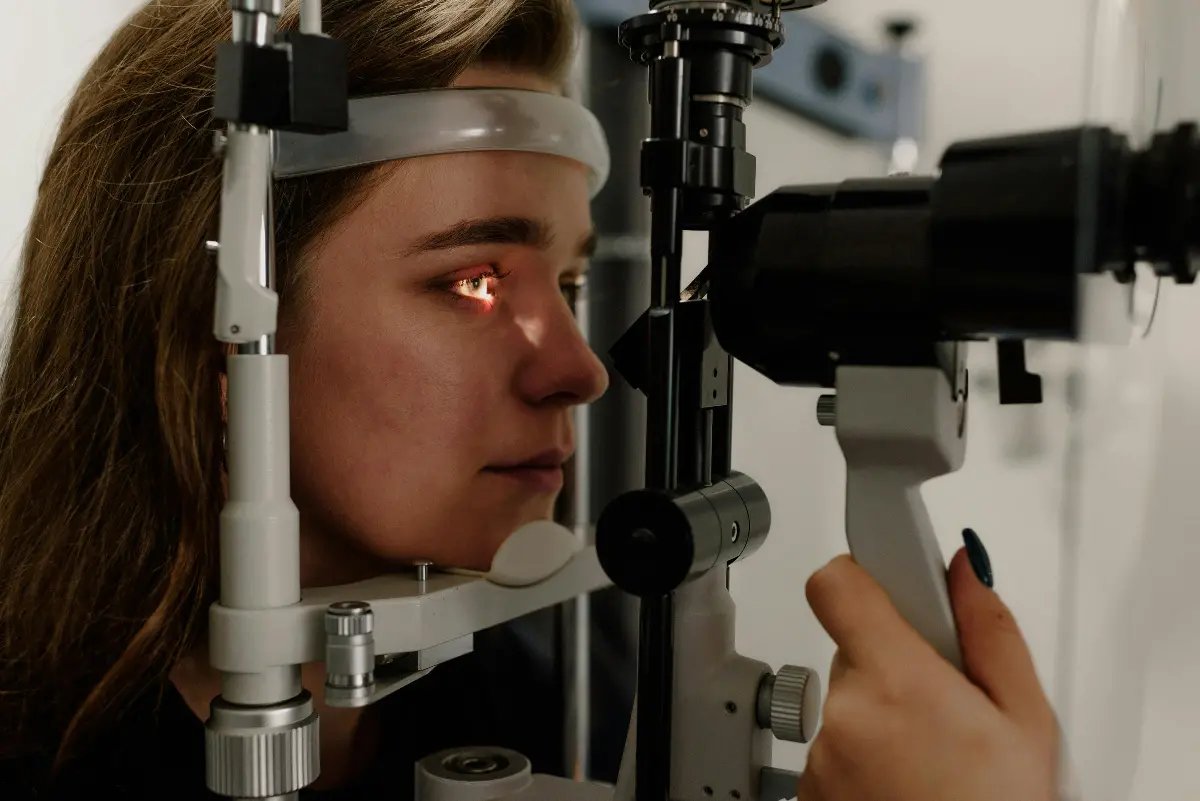
Biometric data encompasses unique physiological or behavioral characteristics used for identification or authentication, including fingerprints, facial features, iris patterns, and voice prints.
Ethical Considerations in Biometrics
Ethical frameworks emphasize informed consent, data protection, transparency, and minimizing risks of biometric data misuse, ensuring respect for individual privacy rights and autonomy.
Applications and Benefits
Biometric technologies enhance security, streamline authentication processes, and improve user convenience in sectors like healthcare, banking, law enforcement, and smart devices.
Privacy Concerns and Data Protection
Addressing privacy risks involves secure storage, encryption, data anonymization, and compliance with privacy regulations (e.g., GDPR), safeguarding biometric data against unauthorized access and misuse.
Regulatory Frameworks and Compliance
Regulations outline guidelines for biometric data collection, usage limitations, retention periods, and rights of individuals, promoting ethical practices and accountability among organizations.
Social Implications and Bias Mitigation
Mitigating biases in biometric algorithms, ensuring inclusivity, and addressing societal impacts (e.g., discrimination) require diverse dataset representation and continuous algorithmic improvements.
Emerging Technologies and Ethical Challenges
Advancements in AI, facial recognition, and biometric surveillance pose ethical dilemmas regarding privacy invasion, mass surveillance, civil liberties, and regulatory oversight.
Educational Awareness and Public Engagement
Educational campaigns, stakeholder engagement, and transparency initiatives foster public awareness, trust, and informed decision-making about biometric technologies and their ethical implications.
Future Directions and Responsible Innovation
Future efforts focus on ethical AI development, international collaboration on biometric standards, and interdisciplinary research to balance innovation with ethical principles in biometric data usage.
Conclusion
In conclusion, navigating ethics in biometric data usage involves balancing technological advancements with privacy protection, ethical governance, and societal values to foster responsible innovation and ensure equitable benefits across diverse communities.

The AR Breakthrough That Will Make Blockchain Transactions Simpler Than Ever!
5 min read | 30 Dec 2025
How AI Is Making Blockchain Smarter and Safer – The Inside Scoop!
6 min read | 29 Dec 2025
The Big Tech Twist: How VR Is Set to Disrupt Blockchain Like Never Before!
7 min read | 28 Dec 2025
Unlocking the Power of AR: How Augmented Reality Is Set to Revolutionize Blockchain!
6 min read | 27 Dec 2025More Articles

AI in Business: Transforming Industries with Data-driven Insights
2 min read | 15 Oct 2025

Ethical Considerations in AI Development: Privacy and Bias
3 min read | 14 Oct 2025

Machine Learning Algorithms: Understanding the Basics
5 min read | 13 Oct 2025
The Role of AI in Modern Healthcare: Innovations and Applications
7 min read | 12 Oct 2025
More Articles

The Art of Storytelling: Immersive Narratives in Augmented Reality
3 min read | 12 Dec 2025

Holo-Homes: How AR and VR are Redefining Interior Design
5 min read | 11 Dec 2025

Beyond the Screen: Exploring AR and VR in Everyday Life
4 min read | 10 Dec 2025

AR for Education: Making Learning Interactive and Fun
5 min read | 09 Dec 2025